Four thousand. That's how many weeks the average person supposedly has in their lifetime, and yet, not all of them are the same. Some weeks have an outsized capacity to shape, grow, and challenge you. I discovered this first-hand when I joined the ACWAY youth forum in Uzbekistan. Prior to joining ACWAY, A Common Word Among Youth …

Four thousand.
That’s how many weeks the average person supposedly has in their lifetime, and yet, not all of them are the same. Some weeks have an outsized capacity to shape, grow, and challenge you. I discovered this first-hand when I joined the ACWAY youth forum in Uzbekistan.
Prior to joining ACWAY, A Common Word Among Youth to give it its full name, I felt cautiously intrigued by a forum that offered me the chance to visit a new country, meet new people, and promised to ‘turn ideas into lasting impact’.
Having read the bios of my fellow participants, I couldn’t help but be impressed by the global diversity of the group, and intimidated by individual achievements I sensed I could not match. I also knew next to nothing about the country of Uzbekistan, and as for the content, my previous experiences of top-down, impractical interfaith engagement, led me to hope that this forum might be different. As it turned out, my preconceptions about the people, the place, and the programme were a far cry from reality.
"Having lost count of the times I had been told of the hope for young people, here was a forum planned, executed, taught, and shared by young people who discussed their own futures not as passive bystanders but as active changemakers."
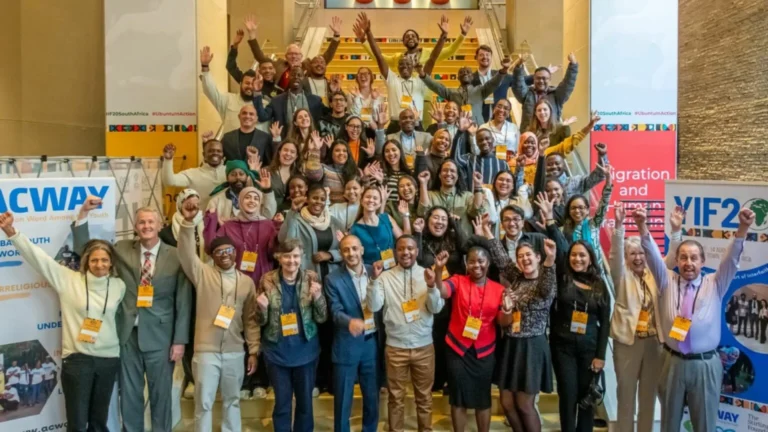
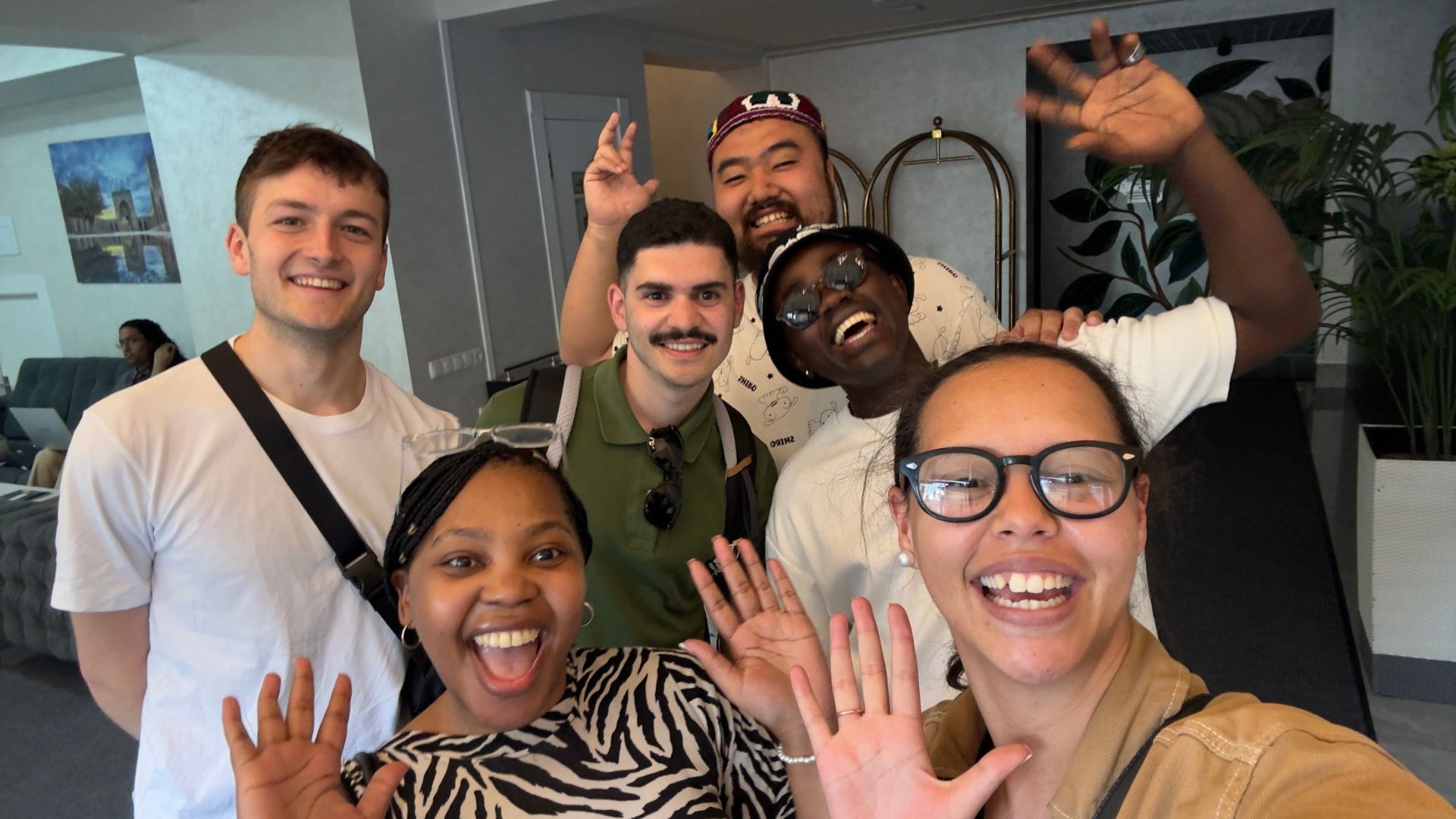
Arriving in Tashkent I was immediately greeted with a sign bearing my name (first time for everything) by the wonderful Aziza, an Uzbek local studying at a nearby university. She ushered me past the rows of taxi cabs and into a car that took me straight to the hotel. From there I soon met some other participants who were keen to explore the Chorsu Bazaar, a sprawling market of sights and smells with all manner of spices, foods and handicrafts. Within a few hours I had bonded with Kelvin from Ghana/Ireland and Ishak from Algeria, and we returned to the hotel to meet the cohort of other arrivals. Very quickly I gained the sense of a genuine kinship and warmth shared between the former fellows and the Organising Committee.
Despite the variety of cultures, the connections were strong and each seemed to bring their own flavour. The South Africans certainly brought the energy, and before long we found ourselves heading to a local restaurant where we would be serenaded by an Uzbek singer before returning the favour with a chorus of Adele. Even behind my understated Britishness, I could tell that this conference would be joyful and spontaneous.
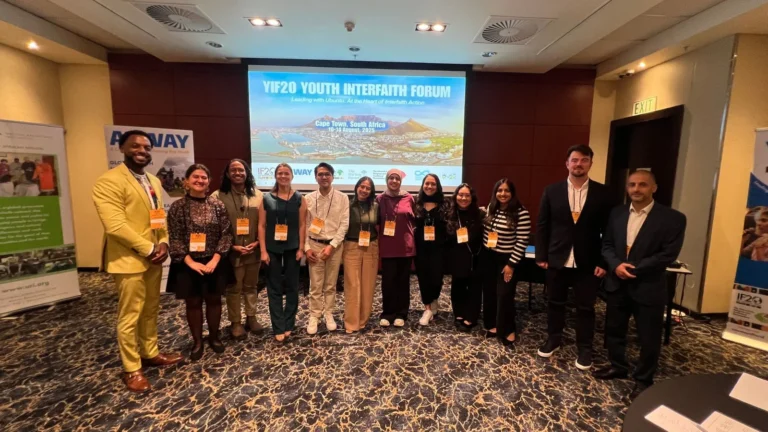
As the forum began, I was struck by the way that it turned the traditional ‘youth forum’ dynamic on its head. Rather than hearing from older ‘wiser’ heads telling us as young people why we are the future, this forum seemed to embody young people leading and taking action in communities across the world. Having lost count of the times I had been told of the hope for young people, here was a forum planned, executed, taught, and shared by young people who discussed their own futures not as passive bystanders but as active changemakers.
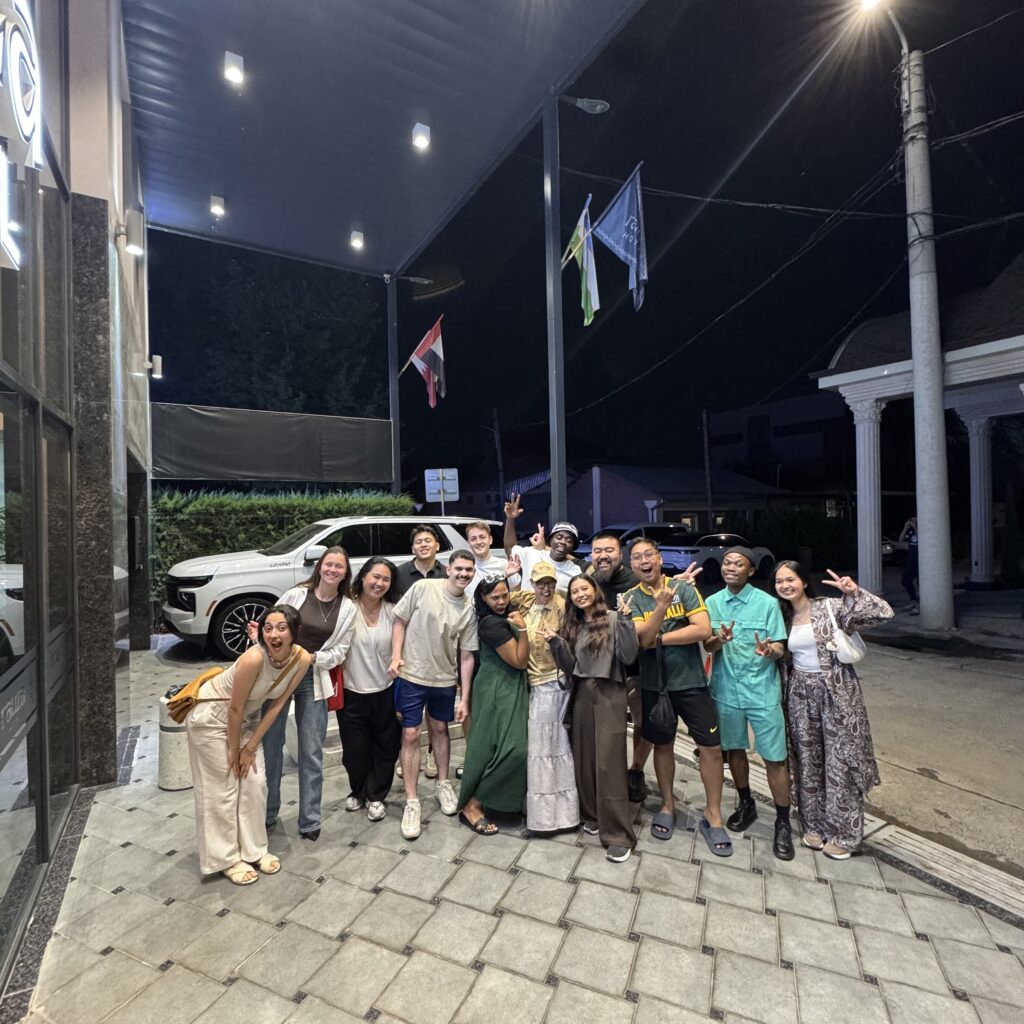
In casual conversations across the conference, I heard from incredible individuals who in the face of inaction had actively created the change they believed in. There were numerous examples of participants bringing people together in their local communities: from a Serbian participant who brought Muslim and Christian schoolchildren together, to a Lebanese participant who helped survivors of tragedy tell stories of hope, to a Japanese participant who advocated for religious tolerance. In many ways, hearing from the experiences of others was humbling as their issues seemed far removed from mine. One participant did not even have a national embassy in the country, so came all the way to Uzbekistan without any guarantee that they would be allowed to enter. Ultimately, the stories I heard struck me as powerful and convicting.
The forum did not lecture or patronise, but served to build up the young leaders assembled through collaboration and openness, helping us dream of change in our contexts.
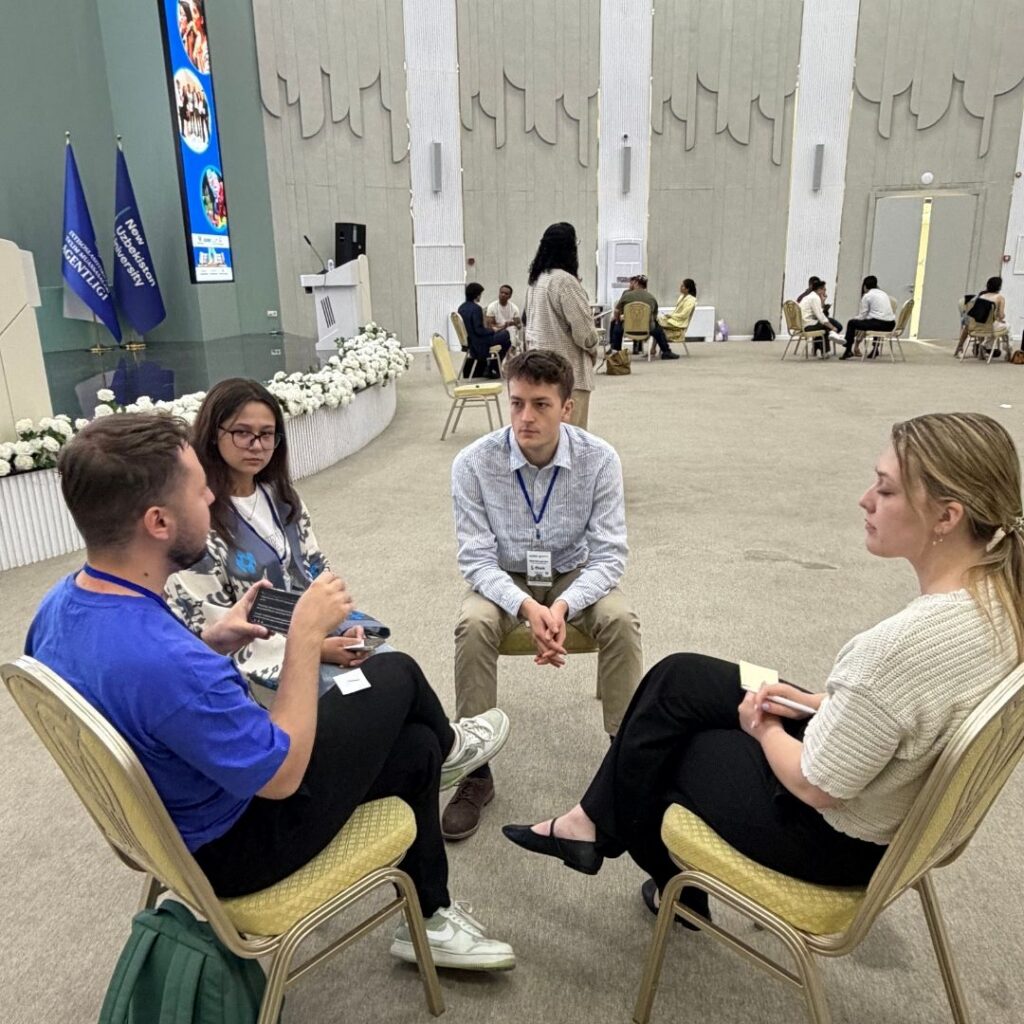
I also found the teaching and session design truly helpful. Through interactive and collaborative sessions, we quickly broke down barriers and were able to speak openly about the challenges we face in our communities and when speaking about faith. Furthermore, the objective of building individual projects gave the summit a concrete focus and end goal, and the expertise of the returning fellows was invaluable as they shared how they had gone about designing and implementing their own projects. In our evenings we had the pleasure of sampling the local Uzbek cuisine and visiting some of the incredible Madrassas with their beautiful blue-tiled patterns and rich histories. Our Uzbek hosts were warm and generous, and proud to show us their country.
Sadly, before long we were near the end of the program, and each individual took it in turns to ‘pitch’ their project to the wider group. As I looked around the room, I was amazed to reflect on how close we had all gotten after only a few days, and to hear of the incredible projects the participants hoped to enact. Even after the forum ended, this closeness was demonstrated in the group that joined together to visit the nearby Silk Road cities of Samarkand and Bukhara.
In an interfaith context, this space provides a powerful and much needed chance for young people to speak, share notes, and return back to their communities feeling renewed and equipped. The forum did not lecture or patronise, but served to build up the young leaders assembled through collaboration and openness, helping us dream of change in our contexts.
At the end of an inspiring week, my prayers were with the other participants heading back to contexts so different from mine. In the light of recent hate-based attacks in the UK, I have felt the need for peacemakers and bridge-builders across difference. It therefore brings me a sense of hope to know that across the world there are other ACWAY Fellows seeking to make real change in their communities.
by Ethan Coffey
ACWAY Fellow, Uzbekistan 2026 Cohort, United Kingdom