
Interfaith work is not just about bringing different religions into the same room, it’s about building trust, deepening understanding, and strengthening our shared commitment to a more just and compassionate society.At ACWAY, our work is rooted in dialogue, respect, and collaboration across faiths and cultures. Over the years, we’ve learned that thoughtful preparation makes all …

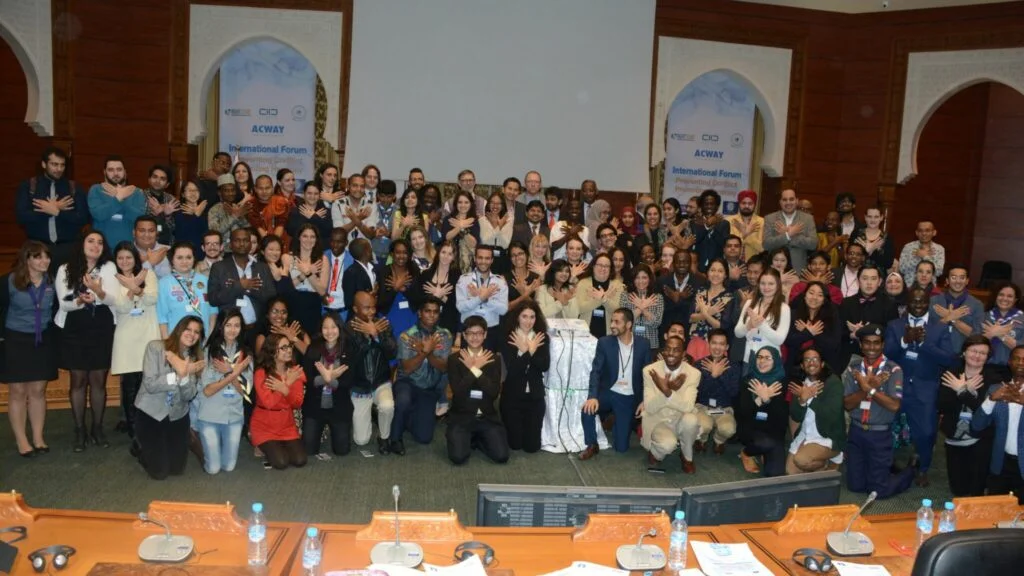
Interfaith work is not just about bringing different religions into the same room, it’s about building trust, deepening understanding, and strengthening our shared commitment to a more just and compassionate society.
At ACWAY, our work is rooted in dialogue, respect, and collaboration across faiths and cultures. Over the years, we’ve learned that thoughtful preparation makes all the difference. If you’re planning an interfaith activity, whether within your local community, workplace, or network, here are five key things we encourage you to consider.
Here are five essential considerations when planning an interfaith activity.
Clarify Your Purpose and Goals
Before you choose a venue or invite participants, take time to define why you’re hosting the activity.
Ask yourself:
- What outcome do we want to achieve? (e.g., learning, relationship-building, community service)
- Is this event educational, celebratory, or service-oriented?
- Who do we hope will participate and benefit?
A clear purpose will not only guide planning decisions but will also help you communicate your intentions to partners and participants in a way that builds trust and invites genuine engagement.
Engage Diverse Voices Early
Authentic interfaith work requires more than representation, it requires involvement.
Reach out to leaders and community members from different faith traditions early in the process. Invite them to help shape the activity, choose themes, suggest formats, or recommend speakers. Their insights will help ensure the event is respectful, culturally informed, and relevant to the communities you hope to bring together.
By co-designing rather than consulting late in the process, you create shared ownership and richer participation.
Choose Inclusive Content and Language
When planning your program content, be attentive to language and symbols that might unintentionally exclude or misrepresent participants.
Consider:
- Using neutral language that honors diversity (e.g., “holy day” instead of specific religious terms)
- Providing context when faith-specific concepts are part of the discussion
- Avoiding assumptions about participants’ beliefs or practices
Accessibility matters too, choose materials (translations, visual aids, audio support) that make the event welcoming to people of all abilities and backgrounds.
Be Mindful of Practical and Cultural Needs
Successful interfaith programming respects not just theological differences but practical needs as well.
Plan for:
- Dietary requirements: Check if meals or refreshments need to accommodate fasting, restrictions, or preferences.
- Time of day: Avoid scheduling during major religious observances unless the event intentionally intersects with them.
- Space usage: Provide quiet areas for prayer or reflection if needed, and consider seating arrangements that support connection and comfort.
Checking in with participants about their needs in advance demonstrates respect and helps avoid last-minute barriers to participation.
Create Opportunities for Meaningful Interaction
An interfaith activity should be a dialogue. Design spaces that encourage genuine exchange:
- Breakout conversations or small group discussions
- Guided reflection activities
- Collaborative service projects
- Shared cultural or artistic expressions
These interactive elements help participants move beyond observation toward empathy, curiosity, and connection.
Conclusion
Interfaith engagement is both a privilege and a responsibility. In times when division can feel louder than unity, creating spaces for respectful dialogue is more important than ever.
Interfaith activities have the potential to strengthen community ties, challenge assumptions, and celebrate the richness of human belief. By planning with intention, care, and a commitment to mutual respect, organizers can create experiences that are inclusive, inspiring, and transformative.
At ACWAY, we believe in the power of shared understanding to build bridges, and your next interfaith activity can be a step forward in that mission.